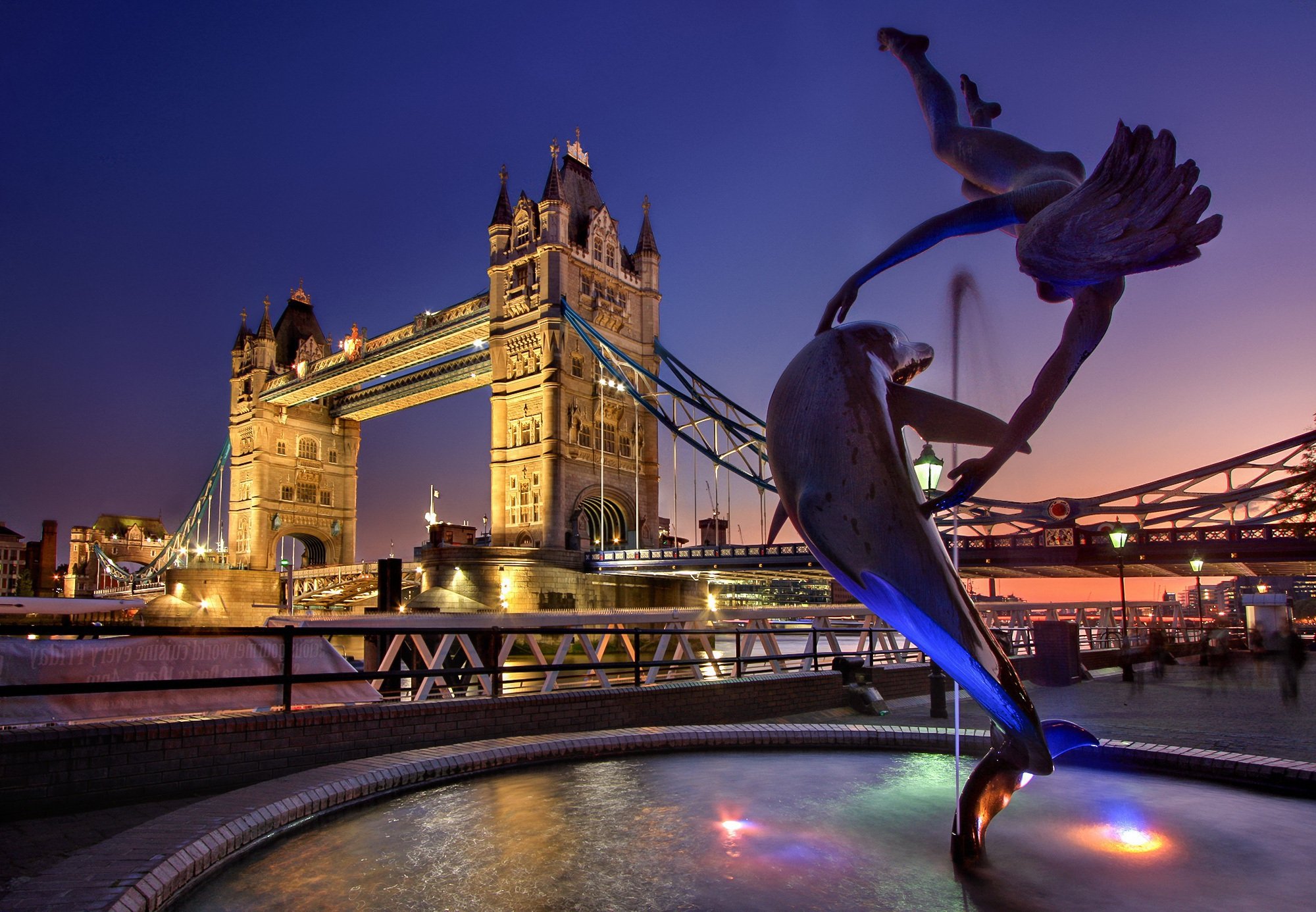
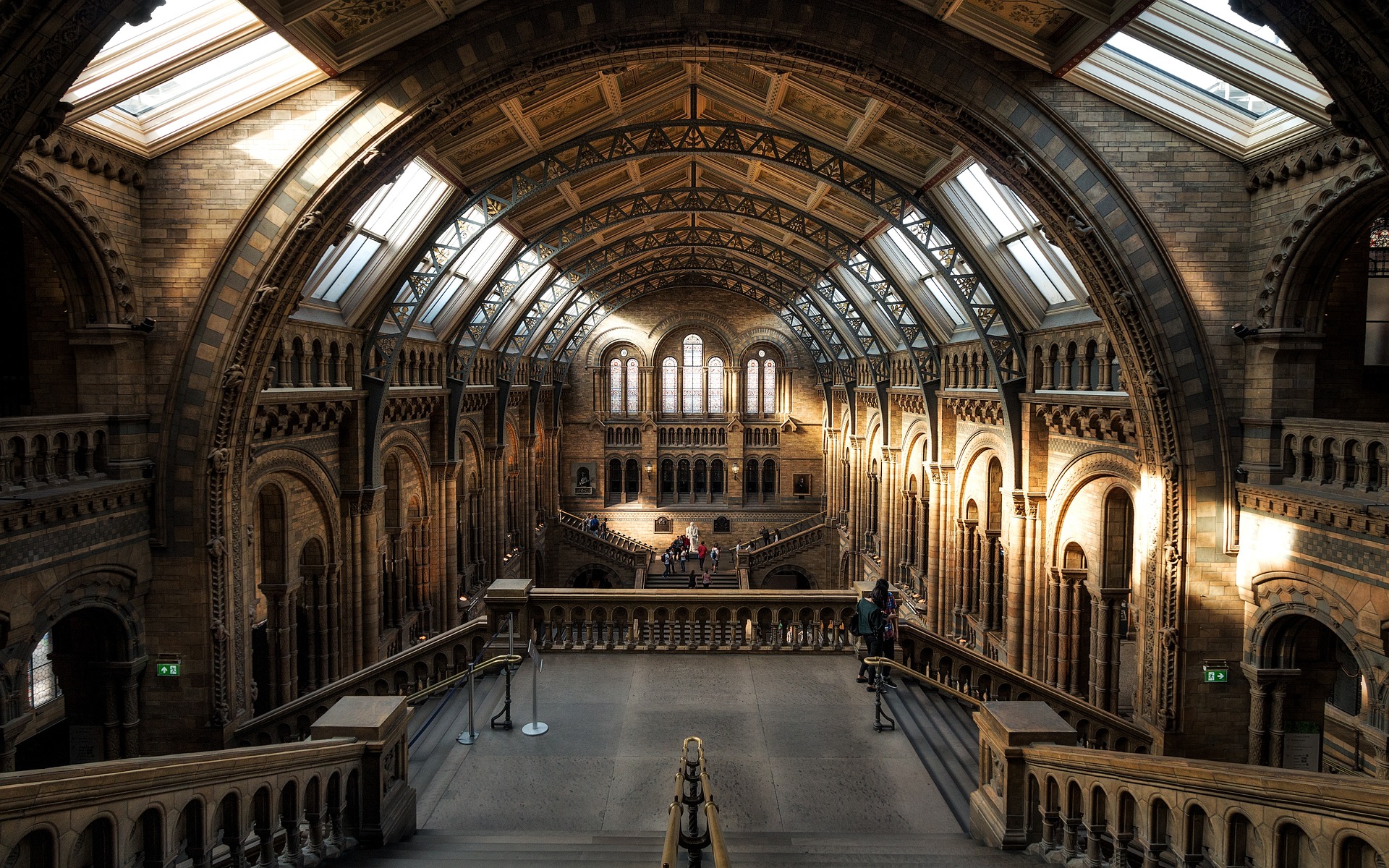
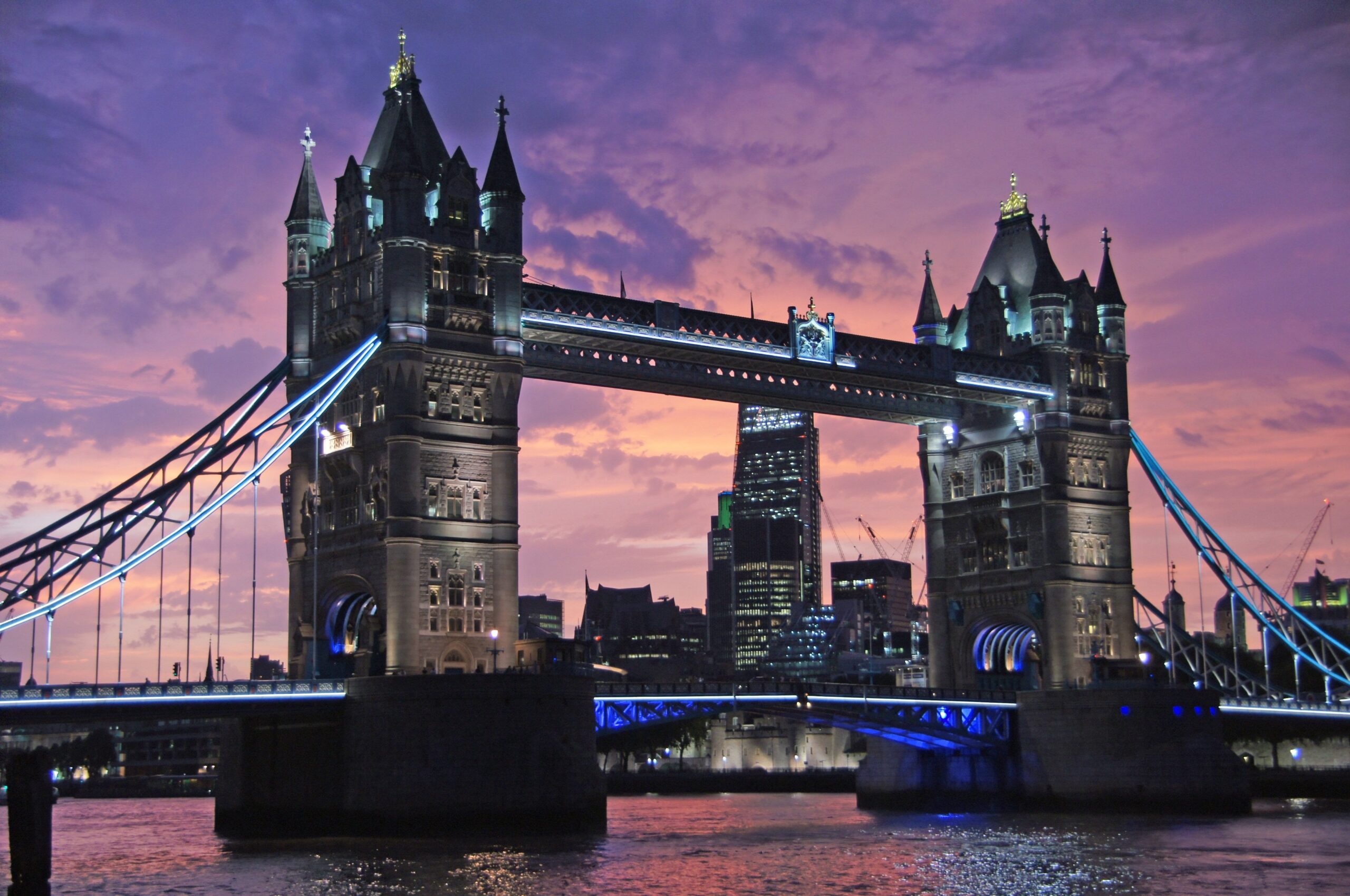
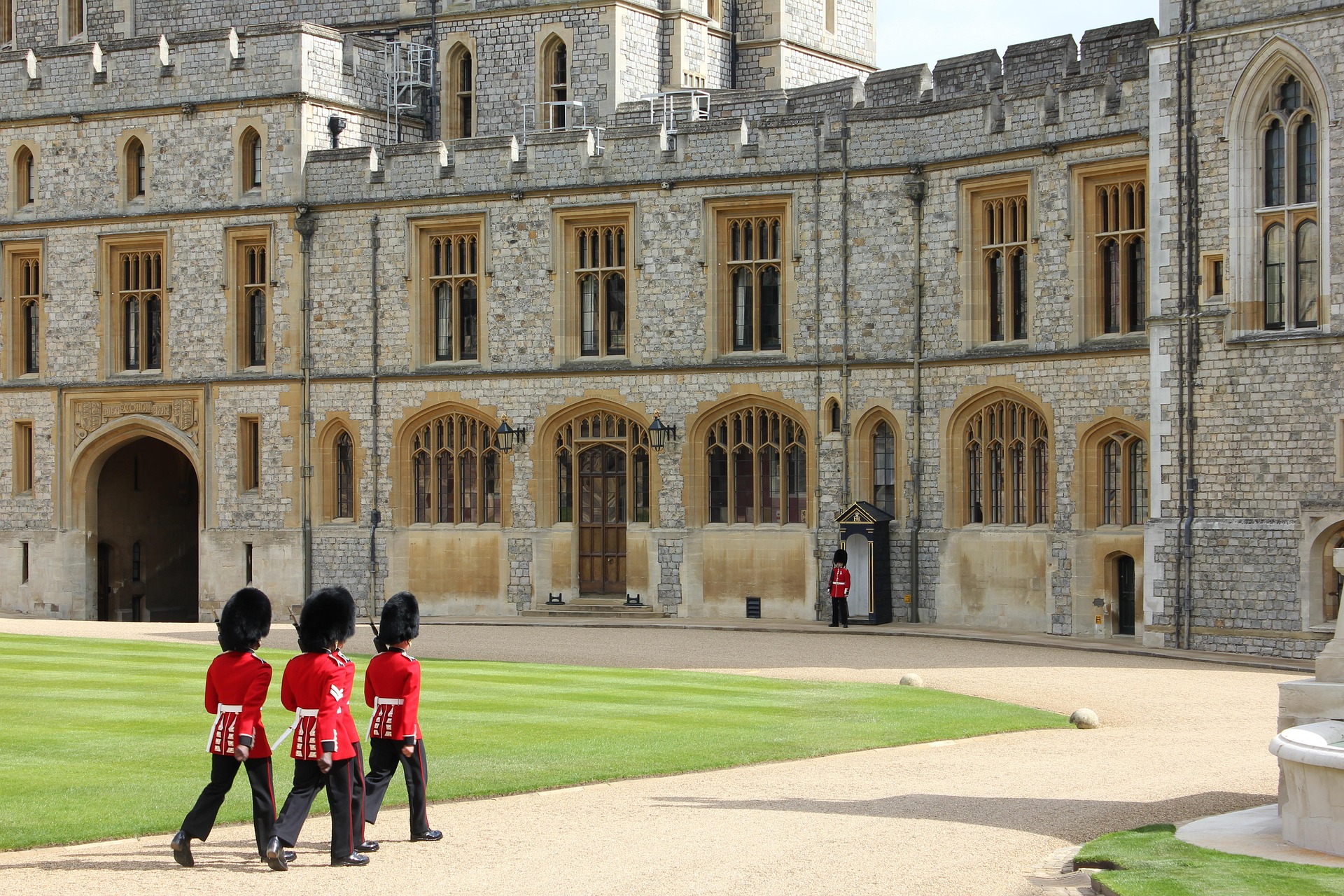
The United Kingdom is a diverse destination blending rich history, vibrant cities, and breathtaking natural landscapes. Travelers can explore iconic landmarks like London’s Big Ben and Tower of London, historic sites in Edinburgh and Oxford, and scenic landscapes in the Scottish Highlands and Lake District. With its charming villages, majestic castles, cultural heritage, and lively urban experiences, the UK is ideal for history enthusiasts, culture seekers, and travelers looking for a mix of tradition and modernity.
Travel is the movement of people between relatively distant geographical locations, and can involve travel by foot, bicycle, automobile, train, boat, bus, airplane, or other means, with or without luggage, and can be one way or round trip. Travel can also include relatively short stays between successive movements.
The origin of the word "travel" is most likely lost to history. The term "travel" may originate from the Old French word travail, which means ‘work’. According to the Merriam Webster dictionary, the first known use of the word travel was in the 14th century.
It also states that the word comes from Middle English travailen, travelen (which means to torment, labor, strive, journey) and earlier from Old French travailler (which means to work strenuously, toil). In English we still occasionally use the words "travail", which means struggle. According to Simon Winchester in his book The Best Travelers’ Tales (2004), the words "travel" and "travail" both share an even more ancient root: a Roman instrument of torture called the tripalium (in Latin it means "three stakes", as in to impale).